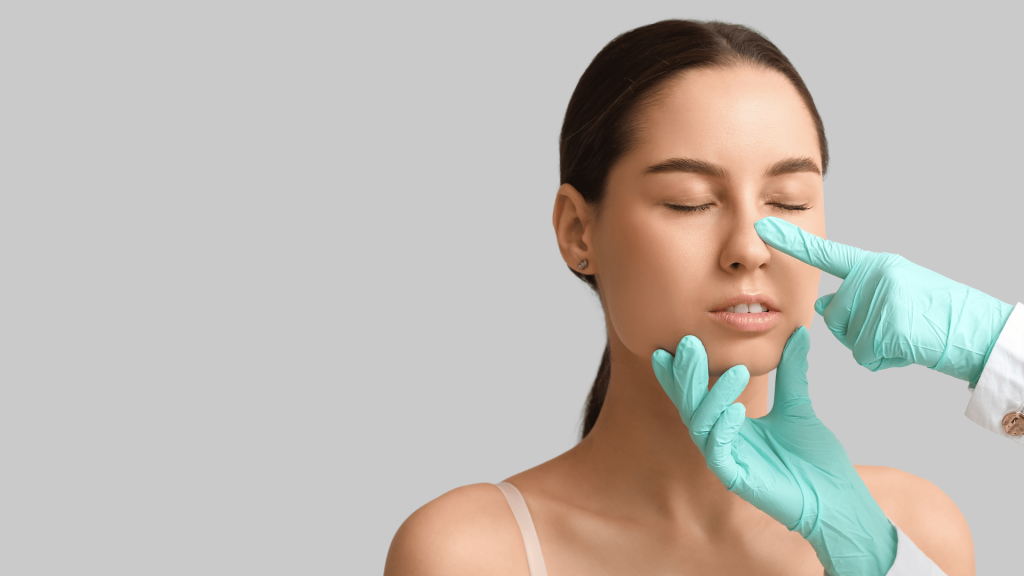
Rhinoplasty, commonly known as “nose surgery,” is a surgical procedure designed to improve the appearance of the nose or correct functional issues. Whether for aesthetic reasons or to improve breathing, understanding the entire process will help set realistic expectations and ensure a smoother experience.
The first step is a consultation with a certified plastic surgeon. During this meeting, you’ll discuss your goals, undergo a physical examination, and review your medical history. It’s essential to communicate openly about your expectations and ask any questions you may have. Many surgeons also use imaging technology to show possible outcomes.
Pre-Surgery Instructions
Before the surgery, you’ll receive specific instructions. These may include:
- Avoiding certain medications like aspirin or ibuprofen, as they can increase bleeding risks.
- Quitting smoking several weeks before and after the surgery to promote better healing.
- Arranging for someone to drive you home after the procedure and help you during the first days of recovery.
Psychological Preparation
It’s important to set realistic expectations. While rhinoplasty can enhance facial harmony and boost self-confidence, it’s essential to understand its limitations and potential risks. Discussing these aspects with your surgeon will give you greater peace of mind.
During the Surgery: The Rhinoplasty Procedure
Types of Rhinoplasty
There are two main techniques for rhinoplasty:
- Open Rhinoplasty: A small external incision is made on the columella (the tissue between the nostrils), allowing greater visibility and access for the surgeon.
- Closed Rhinoplasty: All incisions are made inside the nostrils, avoiding visible scars and usually leading to a shorter recovery time.
Surgical Process
Rhinoplasty is typically performed under general anesthesia. During the procedure, the surgeon reshapes the bone and cartilage to achieve the desired result. Depending on the complexity of the case, the procedure can last between 1.5 and 3 hours.

After Surgery: Recovery and Care
First 24–48 Hours
After surgery, you may have a splint on your nose to maintain its new shape, and in some cases, internal packing to stabilize the septum. Swelling and bruising around the eyes and cheeks are normal. Keeping your head elevated and applying cold compresses can help reduce inflammation.
First Week
The splint and stitches are typically removed after about a week. Although swelling begins to subside, mild inflammation may persist, especially at the tip of the nose. Most patients can resume non-strenuous activities after 7 days.
First Month
By the end of the first month, much of the swelling will have decreased. However, it’s recommended to avoid intense physical activities, lifting heavy objects, or engaging in contact sports to prevent impacts on the nose.
3 to 6 Months and Beyond
Although you’ll notice improvements in the first few weeks, the final results may take up to a year to fully define. It’s important to be patient, as subtle changes occur gradually over time.
Tips for Optimal Recovery
YES:
- Follow all postoperative instructions from your surgeon.
- Attend all follow-up appointments to monitor your recovery.
- Maintain a balanced diet to support healing.
NO:
- Engage in exercise or strenuous activities without your surgeon’s approval.
- Wear glasses that rest on the nose for at least 4 weeks.
- Smoke or consume alcohol, as they can affect recovery.
Frequently Asked Questions and Myths About Rhinoplasty
Is rhinoplasty painful?
Most patients describe recovery as uncomfortable rather than painful. Discomfort is typically mild and can be controlled with medication prescribed by the surgeon.
Will my nose look unnatural after surgery?
It’s a common myth that rhinoplasty always results in an artificial appearance. When performed by an experienced surgeon, the goal is to improve facial harmony while maintaining a natural look.
Can I see what my nose will look like before the surgery?
Many surgeons use digital simulation technology to show an approximation of the final result. Although it’s not exact, it helps visualize possible changes.
After learning about the entire rhinoplasty process—from preparation to recovery—it’s clear that choosing an experienced surgeon makes all the difference. If you’re seeking natural results and a safe procedure, Dr. Manuel Boquín, a plastic surgeon with over 3,000 successful surgeries, can help you achieve your goals. His practice at Hospital Ángeles in Ciudad Juárez offers cutting-edge technology and a personalized approach for each patient. Don’t let doubts hold you back—schedule a consultation today and take the first step toward the change you’ve always wanted.